
Blog
How an IVA Could Affect Day-to-Day Spending
Understanding the impact of an Individual Voluntary Arrangement (IVA) on your daily finances is crucial. This article explores how an IVA can shape your spending habits and financial management.
Introduction
Managing finances can be challenging, especially when dealing with debt. An Individual Voluntary Arrangement (IVA) is one option that may help individuals regain control over their financial situation. However, it's essential to understand how entering into an IVA could affect your day-to-day spending habits.
What is an IVA?
An IVA is a formal agreement between you and your creditors to pay back a portion of your debts over a set period, usually five years. It is legally binding and can provide a structured way to manage your debts while avoiding bankruptcy.
How an IVA Affects Your Spending
When you enter into an IVA, your financial circumstances will be assessed, and a monthly payment will be agreed upon based on what you can afford. This arrangement can significantly influence your day-to-day spending in several ways:
1. Budgeting Becomes Essential
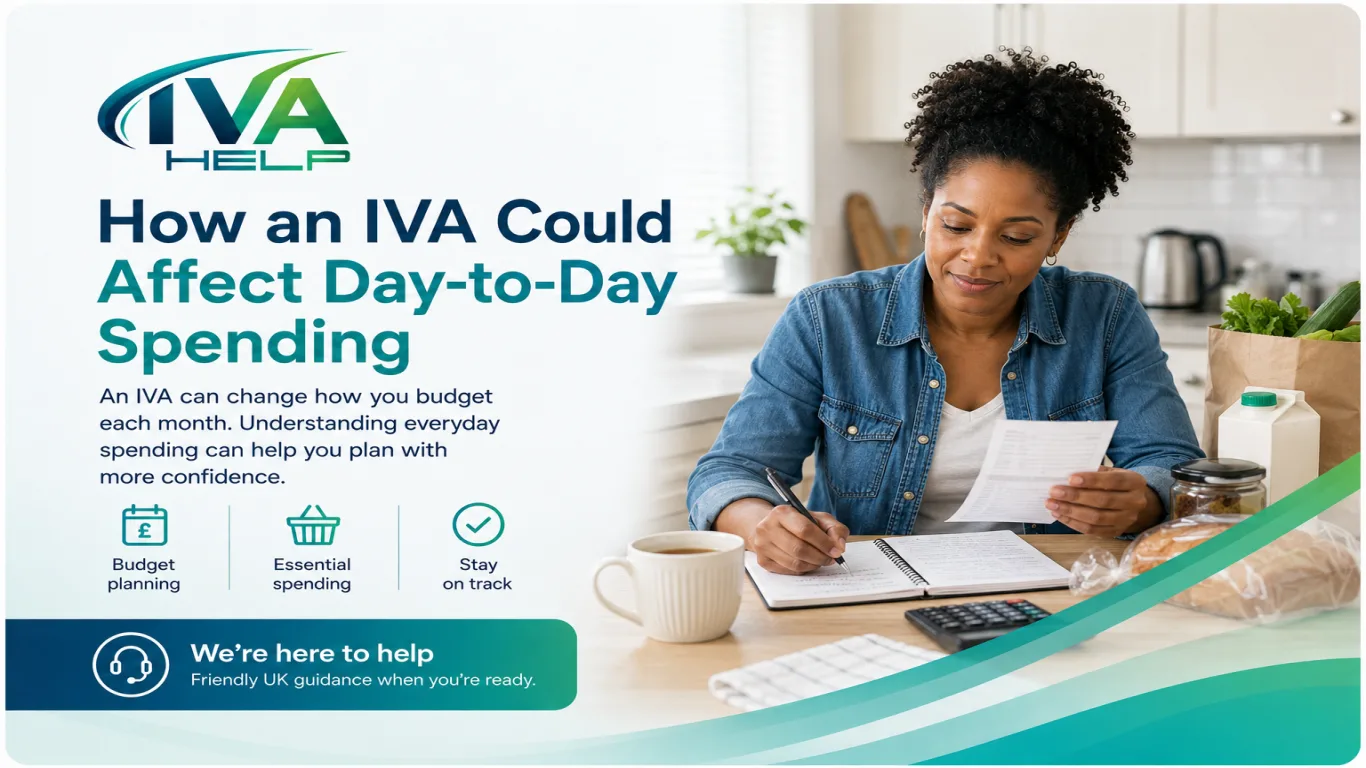
With a fixed monthly payment to your creditors, creating a budget is crucial. You will need to prioritise essential expenses and ensure that your IVA payment is met each month. Here are some tips for effective budgeting:
- Track your income and expenses.
- Identify non-essential spending that can be reduced or eliminated.
- Set aside funds for unexpected expenses.
2. Limitations on Discretionary Spending
While in an IVA, you may need to limit discretionary spending. This includes expenses such as dining out, entertainment, and luxury items. It’s important to focus on necessities and find cost-effective alternatives:
- Cook at home instead of eating out.
- Look for free or low-cost activities in your area.
- Consider second-hand options for clothing and household items.
3. Impact on Lifestyle Choices
Entering an IVA may require you to make lifestyle adjustments. This could mean:
- Choosing more affordable transportation options.
- Reducing travel plans or holidays.
- Finding budget-friendly hobbies.
Practical Examples of Adjusted Spending
Here are a few practical examples of how your spending habits might change during an IVA:
- Grocery Shopping: You might start planning meals for the week and creating a shopping list to avoid impulse buys.
- Utilities: You could look for ways to reduce utility bills, such as using energy-efficient appliances or being mindful of water usage.
- Entertainment: Instead of going to the cinema, you might opt for movie nights at home with friends or family.
Conclusion
While an IVA can provide a pathway to managing debt, it also requires significant changes to your spending habits. By adopting a mindful approach to budgeting and prioritising essential expenses, you can navigate this period more effectively. Remember, the impact of an IVA on your finances will depend on your individual circumstances.
Take Control of Your Financial Future
If you're considering an IVA or want to learn more about managing your finances during this time, it's essential to seek guidance tailored to your situation. Reach out for private support to explore your options and take the first step towards financial stability.
Need help with your situation?
Complete the online assessment or request a confidential callback without leaving this article.
Next step
Eligibility depends on individual circumstances. Get clear information before deciding.
Learn more about your options for managing debt.